

Paying for Care
The Costs of Caregiving
Some older adults have adequate savings to cover long-term care expenses either in-home or in a facility, but most people do not. For millions of people who may not have relatives with the financial means to help or for those who live alone and have limited income and resources, paying for care can be a challenge.
The good news is that for low-income older adults who qualify, there are a number of options available at the federal, state and county level that may help with such expenses.
For 2025, the average monthly cost of nursing home care in Virginia was approximately $10,250 for a semi-private room and $11,680 for a private room, according to CareScout. The average monthly cost of in-home care using a non-medical caregiver was $6,673. Assisted living’s average monthly cost for a private room in Virginia nearly $7,000; however, the cost is more in the Washington Metro area where facilities can average $8,725 per month.
Genworth published a press release in March 2026 with CareScout’s 2025 Cost of Care survey.
Develop a Plan
It is a good idea to develop a plan on how you might pay for such expenses when the time comes. Consider your finances, such as income, savings, and any investments or life insurance policies that might help pay for care.
The National Institute on Aging has a good overview of how to consider costs.
Medicare
Medicaid
Long Term Care Insurance
Life Care at Home
Life Insurance
Reverse Mortgages
Veterans
Virginia Insurance Counseling
Medicare
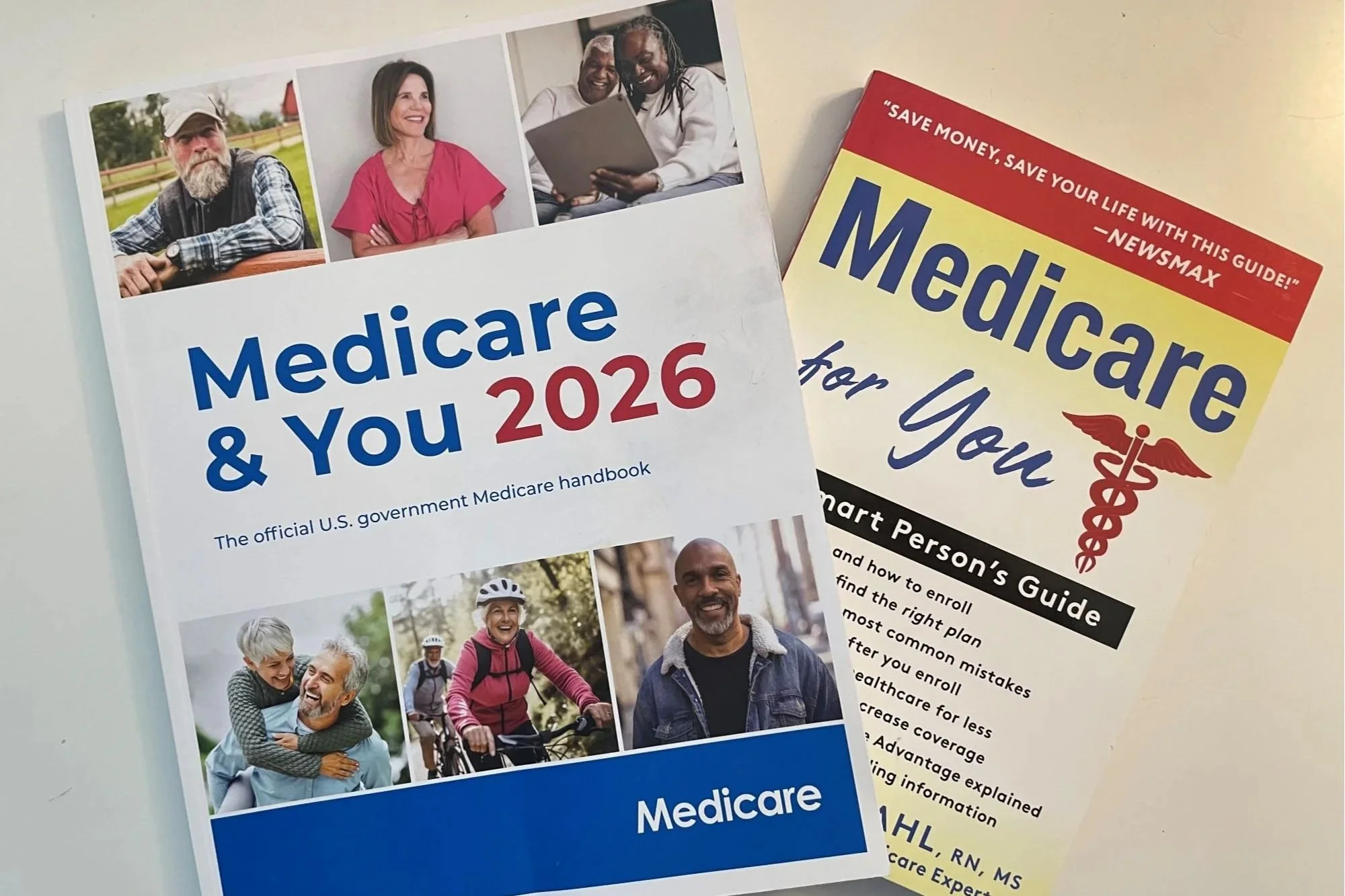
Most older Americans over age 65 have Medicare to cover hospital and outpatient care. Sadly, Medicare covers only a limited amount of long-term services and support, such as home health care, when you need skilled nursing care or rehabilitation. This is despite the fact that most older adults will need long-term care at some point in their lives.
Medicare does not cover long-term care in a nursing home. To help you navigate Medicare in Virginia, the Virginia Insurance Counseling & Assistance Program (VICAP) is available. Contact them at (800) 552-3402 or visit their resource website on Virginia’s Department of Aging and Rehabilitative Services (Virginia DARS). They can help you with questions about Medicare and Medicare supplement policies.
Medicaid
This federal/state program will pay for long-term care in a nursing home if you are low income with few remaining assets. You can qualify after spending down your income and any savings/resources (if you have them). People with Medicare may also qualify for Medicaid based on income, assets or high medical bills.
Due to what’s called a state-based waiver, Virginia Medicaid will also pay for long-term services and supports, not just care in a skilled nursing facility/nursing home. This means you can receive long-term care at home if you qualify.
Long-Term Care Insurance
For some people, long term care insurance provides a safety blanket, because most policies will help pay for a prolonged stay in a nursing home. Some long-term care insurance policies include paying for care you may receive in assisted living or at home. Purchasing such insurance late in life can be prohibitively expensive, but compared to the cost of care it may be worth exploring. Be sure to know what you’re buying and what it covers before you sign anything! Virginia’s Insurance Counseling and Assistance Program (VICAP) may be able to help you with questions about long-term care insurance.
Life Care at Home
Goodwin Living at Home offers several financial plans that provide coverage for long-term care costs and coordination of care while you continue to live at home. It enables members to age in place rather than move to a retirement community. (703) 575-5202
Life Insurance
The insurance industry also offers hybrid life insurance policies that have a limited amount of long-term care insurance built in through riders that are sold at the time of purchase.
For those with whole life insurance and cash value, one may borrow against the policy or cash it out.
Other insurance options include selling your policy to a life settlement broker, but there are several potential drawbacks.
Some policies will also allow you to use some of your death benefits to pay for care if you are terminally ill.
Reverse Mortgages
Reverse mortgages may be a workable option for those over age 62 who have equity in their homes and need to pay for long-term care either in a facility or at home. But they aren’t the only option for tapping home equity.
For example, you can use home equity loans to get a lump sum upfront.
You can also use a home equity line of credit (HELOC) to borrow what you may need. The HELOC is a revolving line of credit, similar to a credit card, that is secured by your home.
Veterans
For veterans with Veterans Administration health care benefits, the VA may pay for long-term services and supports as well as care in assisted living or a nursing home. (877) 222-8387
Virginia Insurance Counseling and Assistance Program (VICAP)
VICAP counselors can help answer questions about Medicare, Medicare Advantage, Medicare Supplemental insurance, Part D, and Special Needs Plans for people who qualify for both Medicare and Medicaid.
They can also help you:
navigate long-term care financing options;
assist with appeals and denials; and
identifying whether you are eligible for low-income subsidies.
Unlike much of the advertising you see on TV about saving money on Medicare, this government service is free, unbiased, and confidential. (800) 552-3402