

Long Term Services & Supports
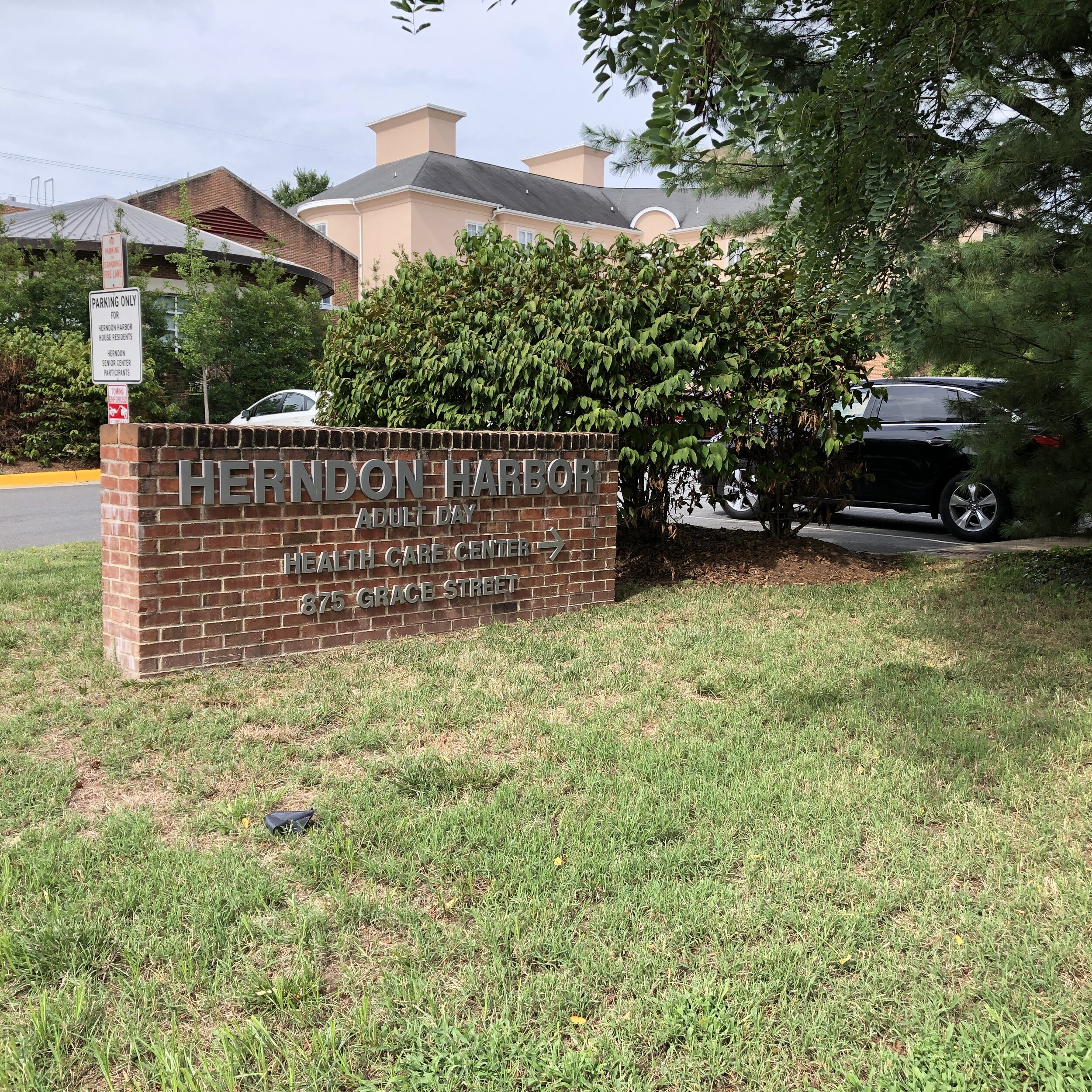
The nearest adult day health care center is in nearby Herndon adjacent to the town’s senior center.
Because you may develop chronic conditions as you age in place, you may be unable to do many things you used to do around the house. Planning for the possibility that you may need some type of in-home help—sometimes called home and community-based services or long-term services and supports (LTSS)—is an important step in your aging-in-place plan.
What is LTSS?
Long term services and supports (LTSS) is a broad term that includes paid and unpaid personal care services that assist with activities of daily living (ADL) and instrumental activities of daily living (IADL) provided over a period of several weeks, months, or years.
When someone talks about LTSS, some people think they are referring to care in a nursing home or assisted living facility. However, far more people receive LTSS at home. Often, LTSS is provided by:
family members or
a home health care, home care, or companion care aide hired directly or through an agency.
ADL vs IADL
ADL includes bathing, dressing, feeding, toileting and mobility. IADL encompasses transportation, housekeeping, laundry, grocery shopping, meal preparation, medication management and much more.
Often, if you are aging at home and alone (solo aging), this kind of support means hiring an agency or individual to help with home care, home health care or companion care.
Paying for LTSS
You may be able to pay for LTSS with long-term care insurance, but most people will need to pay such expenses out of pocket. Health insurance, Medicare or Medicaid will pay for home health care sometimes under limited circumstances.
Crisis Planning
Sometimes finding just what you need when you need it requires someone to help you figure out next steps. You may want to look for a certified senior advisor who can advise you on what resources would be most helpful. There are also Aging Life Care Professionals who help you navigate what you may need.
Finding Help below will lead you to some local and national resources that can also provide guidance.
Adult Day Care
Companion Care
Connections
Help Around the House
Home Care
Home Health Care
Meals on Wheels/Congregate Meals
Memory Care
Finding Help
Adult Day Care
Adult day care can provide a caregiver with a break and also give older adults a way to socialize with others. Adult day care centers often supply meals or snacks or transportation to and from the facility. Adult day care centers also offer memory care that helps people with Alzheimer’s or other cognitive impairments throughout the stages of the disease.
The average cost of adult day care in Virginia is approximately $1,500 a week for 44 hours of care. AARP has a good article on what to look for.
National Adult Day Services Association (NADSA). Provides information and listings of local adult day care centers.
Insight Memory Care. This non-profit adult day care center offers specialized care for those with Alzheimer’s or memory impairments. (703) 204-4664 TTY 711.
Herndon Harbor Adult Day Health Care (Fairfax County) (703) 435-8729
Fairfax County has a dedicated website for Adult Day Health Care to include program details, locations, fees, and other helpful information.
Companion Care
Companion care is a form of home care that offers non-medical services to older adults or persons with disabilities. Companions are often provided by businesses or nonprofits and may help with a variety of tasks such as cooking or light housekeeping as well as socialization and other support. Costs range from $21 to $32 per hour in Northern Virginia.
See Finding Help section below for help in finding information about companion care.
Connections
Organizing all the connections you have and creating a matrix of those who might help with various needs that help you age in place is worth the effort. For example:
Is there a close friend or family member who might give you a ride to a doctor’s appointment or check in on you from time to time?
If you belong to a faith community, do they have people who volunteer to help those who are elderly or who have disabilities?
Creating such a “connections inventory” is a way to create our own personal village.
Help Around the House
Shepherd’s Center of Northern Virginia has vetted volunteers who will help with minor home repairs, visits, friendly check-in calls or rides. (703) 281-0538
Home Care
Home care offers non-medical help (Instrumental Activities of Daily Living or IADL) such as household tasks (cleaning, cooking, laundry, etc.), errands, scheduling appointments, or companionship. While you can try to find an individual who provides home care on your own by asking friends or relatives for recommendations (called a direct hire), there are multiple area public entities or online services that can help you find a good fit. AARP has a helpful article online on how to hire a home care aide.
Home care (which can range from $25 to $40 an hour) is not covered by Medicare but may be covered by a long-term care insurance policy. If you need home care 24/7, it can cost as much as $21,000 a month. Hiring someone directly has its own pitfalls mainly because of laws governing who is and isn’t a contractor. Registries and agencies vet their employees, for example.
Virginia Medicaid will pay for some home care services in order to keep you out of a nursing home if you qualify for benefits.
Home Care Registry is a Fairfax County service that lists screened, non-agency individuals who offer companionship and help with activities of daily living. It is updated monthly and entries have been screened by the county. Call (703) 324-7948 or TTY 711 between the hours of 8:00a.m. and 4:30 p.m., Monday through Friday, if you would like a copy mailed to you.
In-home care services are offered by Fairfax County and are subject to eligibility. Call (703) 324-7948 or TTY 711.
Virginia Association of Home Care and Hospice has a directory of members in the area.
See the Finding Help section below for help in finding the right agency or individual.
Home Health Care
Home health care services include skilled nursing care, as well as other medical care such as physical, occupational or respiratory therapy, speech-language therapy, or help in addressing medical-social needs (Activities of Daily Living or ADL). Services are generally covered by Medicare, Medicaid or long-term care insurance and delivered by health care professionals.
Medicare.gov provides a compare tool that lists Medicare-certified home health care agencies in the Reston area. You can see Medicare Star ratings that measures quality of care (five being the best).
See the Finding Help section below for help in finding the right agency.
For hospice care, read more about what Medicare covers on its website.
Meals on Wheels/Congregate Meals
The Fairfax County Area Agency on Aging’s Meals on Wheels program provides 10 nutritious meals a week for residents 60 and over or those with disabilities aged 18 to 59 who cannot shop or prepare their own meals. The program is targeted to those with greatest need or who may be at risk for institutionalization. (703) 324-7948 TTY 711
The County also sponsors congregate meal programs in area senior centers such as the Herndon Senior Center. The center has an annual membership fee and serves hot lunches that require a donation based on income and ability to pay.
The Supplemental Nutrition Assistance Program (SNAP) is a federal nutrition assistance program for low-income older adults and others. If you are over age 60 and have no earned income, you may be eligible for benefits. You can apply by visiting the Virginia Department of Social Services site or call (833) 522-5582 for help with application.
Memory Care
Memory care is a specialized type of care for older adults with Alzheimer's disease or other types of dementia. It's designed to help people with memory loss live as independently as possible and can be provided in a specialized day care setting such as Insight Memory Care in Sterling.
Finding Help
There are lots of organizations that offer online help to those looking for long term services and supports. Many provide listings of providers who may or may not be paying for them. Start with government or nonprofits that offer help with your search such as those listed here.
Fairfax County Services for Older Adults. The local area agency on aging maintains comprehensive listings of services and supports from adult day health care to memory care, meals on wheels, in-home care and much more. The county offers a Services for Older Adults hotline that can connect you to dozens of resources. Call (703) 324-7948. TTY 711
Virginia Navigator. The area agency’s navigator not only includes caregiving resources but also other services, such as housing and transportation help. A “Find Services” search tool can help direct you to nearby resources.
ENDependence Center is a community-based resource run by people with disabilities that offers independent living training, information, and support as well as durable medical equipment for people of any age. (703) 525-3268. TTY (703) 525-3553
No Wrong Door Virginia. This is a state-wide network of partners supporting older adults, their caregivers or those seeking long term care services and supports. (804) 662-7000 or NoWrongDoor@dars.virginia.gov